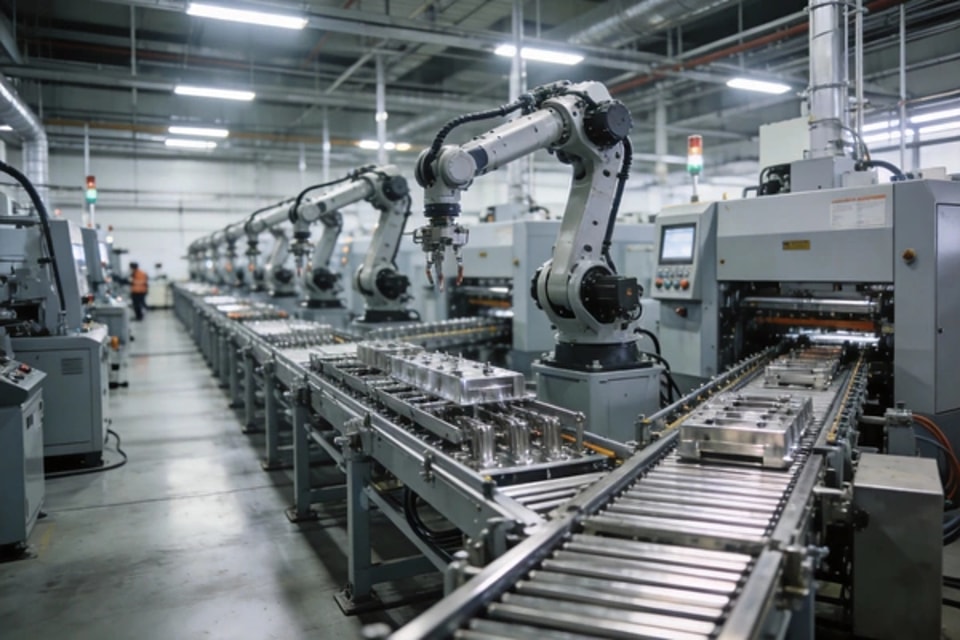
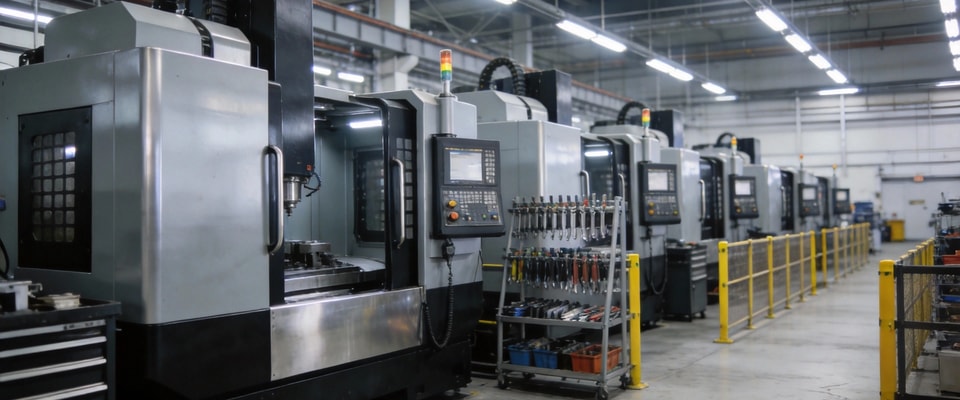
The global manufacturing landscape is undergoing a fundamental shift as OEMs across automotive, electronics, medical, and industrial sectors accelerate reshoring and nearshoring strategies. This analysis examines the driving forces and implications for B2B component suppliers.Key Drivers of Reshoring1. Supply Chain ResiliencePost-pandemic lessons: 78% of OEMs report increasing domestic supplier diversificationGeopolitical uncertainties driving "China+1" and "China+2" sourcing strategiesInventory carrying costs making shorter supply chains more economically attractive2. Total Cost of Ownership (TCO)Rising overseas labor costs narrowing the cost gap to 8-15% for precision componentsShipping costs stabilized but remain 2.3× higher than 2019 baselineQuality-related costs (scrap, rework, warranty) often 15-20% higher for offshore sourcing3. Government IncentivesCHIPS Act and IRA driving $200B+ in manufacturing investment commitmentsR&D tax credits of 20% for advanced manufacturing processesAccelerated depreciation for capital equipment in reshored facilitiesImpact on SuppliersComponent suppliers positioned for reshoring demand are seeing 25-40% growth in RFQ activity, particularly in CNC machining, die casting, and electromechanical assembly segments. Suppliers with AS9100D, IATF 16949, and ISO 13485 certifications are most in demand.
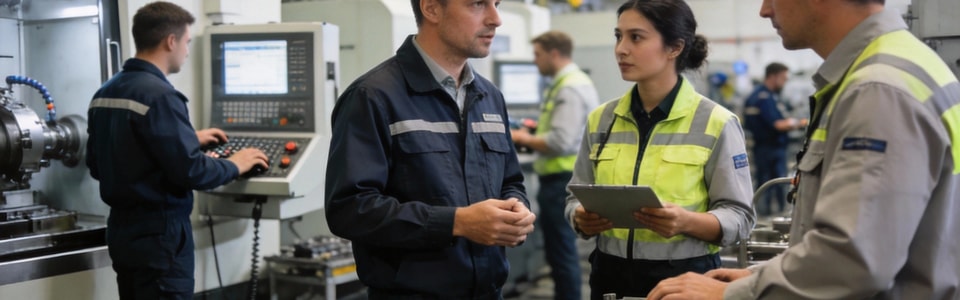
Industry 4.0 is no longer a concept — it is a production reality. This article explores how IoT sensors, digital twin technology, and AI-driven analytics are transforming CNC machining operations from reactive to predictive, delivering measurable improvements in quality, efficiency, and cost.IoT-Connected CNC MachinesVibration monitoring: Accelerometers on spindles detect tool wear signatures 15 minutes before failure, triggering automatic tool changeThermal compensation: Real-time temperature sensors adjust axis positions to maintain ±2μm accuracy during 8-hour production shiftsPower consumption: Current monitoring correlates with cutting forces, identifying optimal feeds and speeds per material-tool combinationDigital Twin BenefitsVirtual commissioning: New part programs simulated with full collision detection before touching real material, reducing first-article scrap by 85%Process optimization: Simulation identifies toolpath inefficiencies, reducing cycle times by 12-18% on averagePredictive maintenance: Component life models predict bearing, ball screw, and way cover replacements 4-6 weeks in advanceROI AnalysisMetricBefore IoTAfter IoTImprovementOEE62%81%+19 pointsScrap Rate3.2%0.8%-75%Unplanned Downtime180 hrs/yr32 hrs/yr-82%Tool Cost$420K/yr$310K/yr-26%Templates29 implemented IoT monitoring across our entire CNC fleet in 2025, achieving payback in 14 months and establishing a foundation for AI-driven autonomous machining optimization.